Assessing the project scope
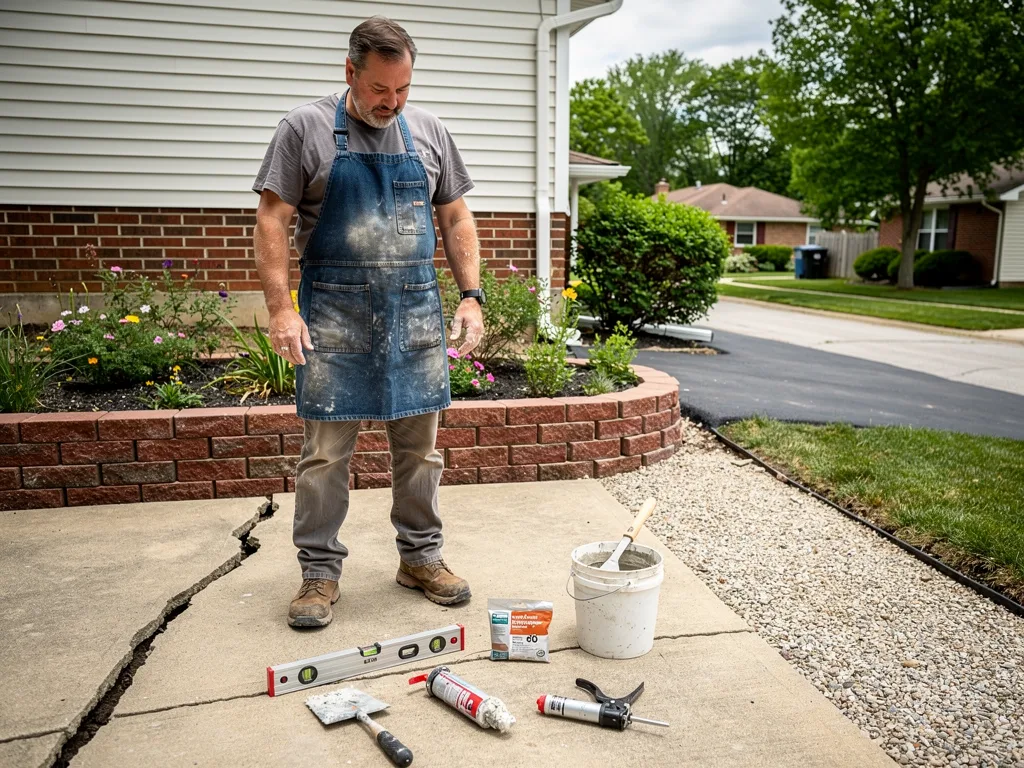
Cincinnati yards bring unique challenges: clay soils, seasonal moisture, and variable slope. Small cracks in a concrete block wall or a loose paver edge might seem doable with a little elbow grease. But if the wall bears weight from soil or has drainage behind it, a DIY fix can trap moisture and worsen movement.
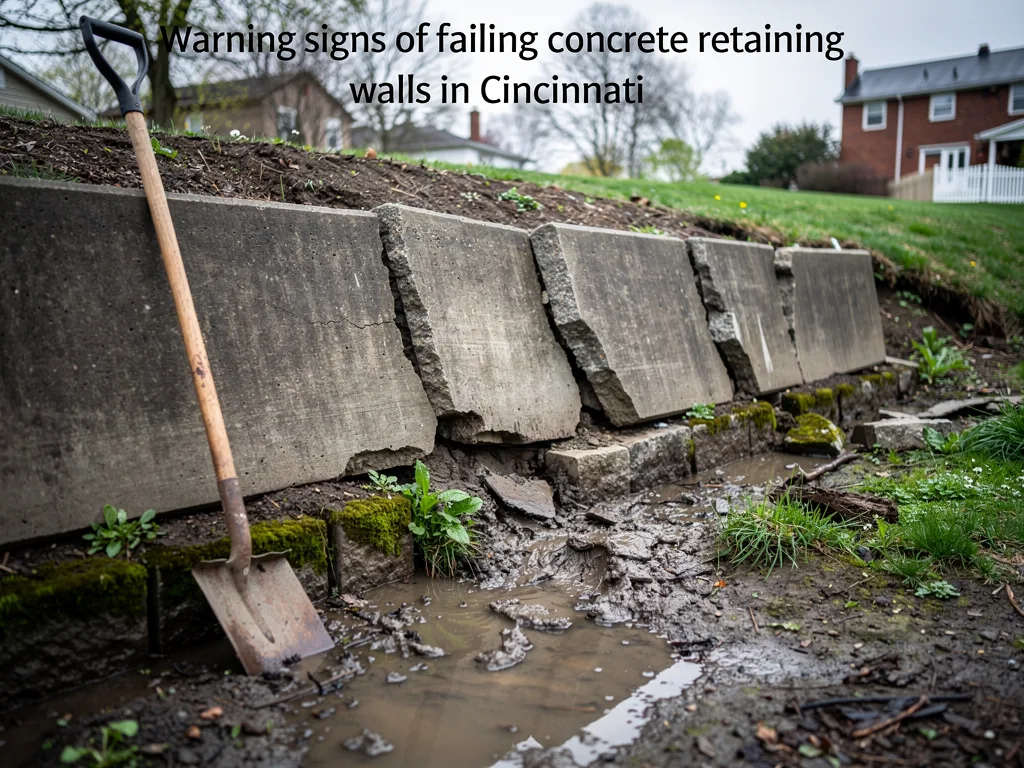
Start by identifying whether the issue is cosmetic or structural. Fine surface staining or a few loose pavers can often be addressed with basic tools. Structural concerns like wall bowing, significant cracking, or settlement near the footing are red flags that call for a hardscaping specialist.
Consider the time and materials. A typical Cincinnati repair might include setting modular blocks, regrading soil, installing weep drainage, and sealing joints. If you’re unsure about any step, it’s worth a call to a local pro to avoid costly mistakes.
When to call a pro
If you notice lateral movement, leaning, cracking that widens with every season, or standing water behind the wall after a rain, those are signs to bring in a hardscaping specialist. A professional can evaluate soil conditions, drainage, and wall integrity and propose a plan that addresses the root cause.
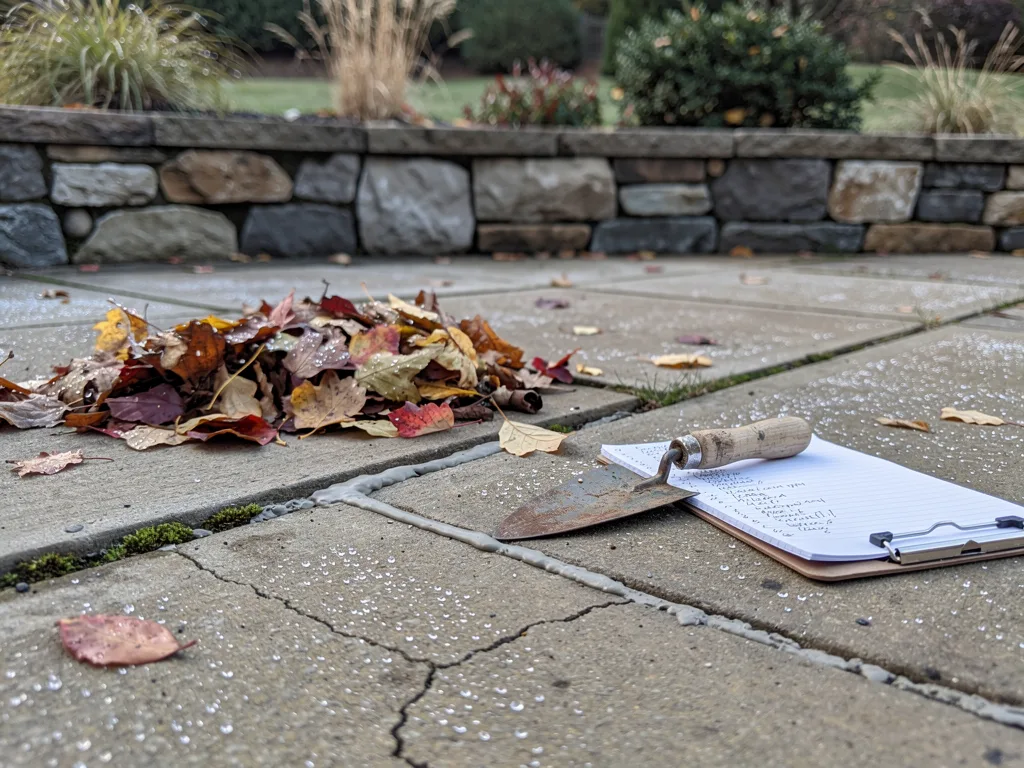
For routine maintenance like cleaning joints and inspecting for cracks, a pro can walk you through preventive steps and schedule seasonal checks. In Cincinnati, yearly inspection by a local crew helps catch issues before they escalate.
What a Cincinnati hardscaping specialist will do
Expect an on-site assessment of wall alignment, footing stability, and drainage paths. A pro will suggest options such as adjusting backfill, adding proper drainage behind the wall, or selecting a repair method suited to the wall type and your yard’s grade. They’ll also discuss materials compatible with Cincinnati’s climate and soil.
If replacement is required, a local team will plan around your landscape, property lines, and access constraints. The aim is a solid, long-lasting fixture that looks right in your Cincinnati yard and withstands our winter freezes and spring thaws.